What Is a Data Controller Under GDPR?
A data controller is whoever decides the purpose of processing personal data and the essential means of doing it: which data, about whom, kept for how long, shared with whom. In an Irish small business that is almost always the company or the sole trader, and the controller is the one the Data Protection Commission holds to account.
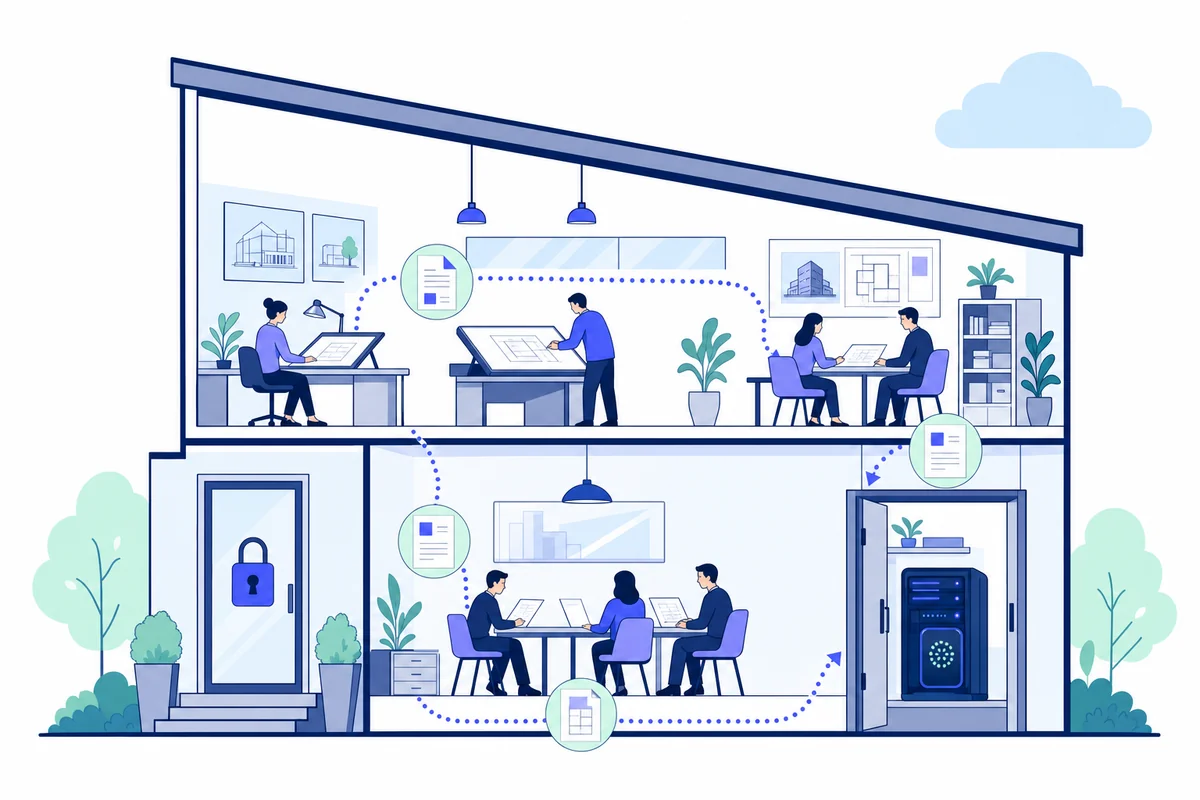
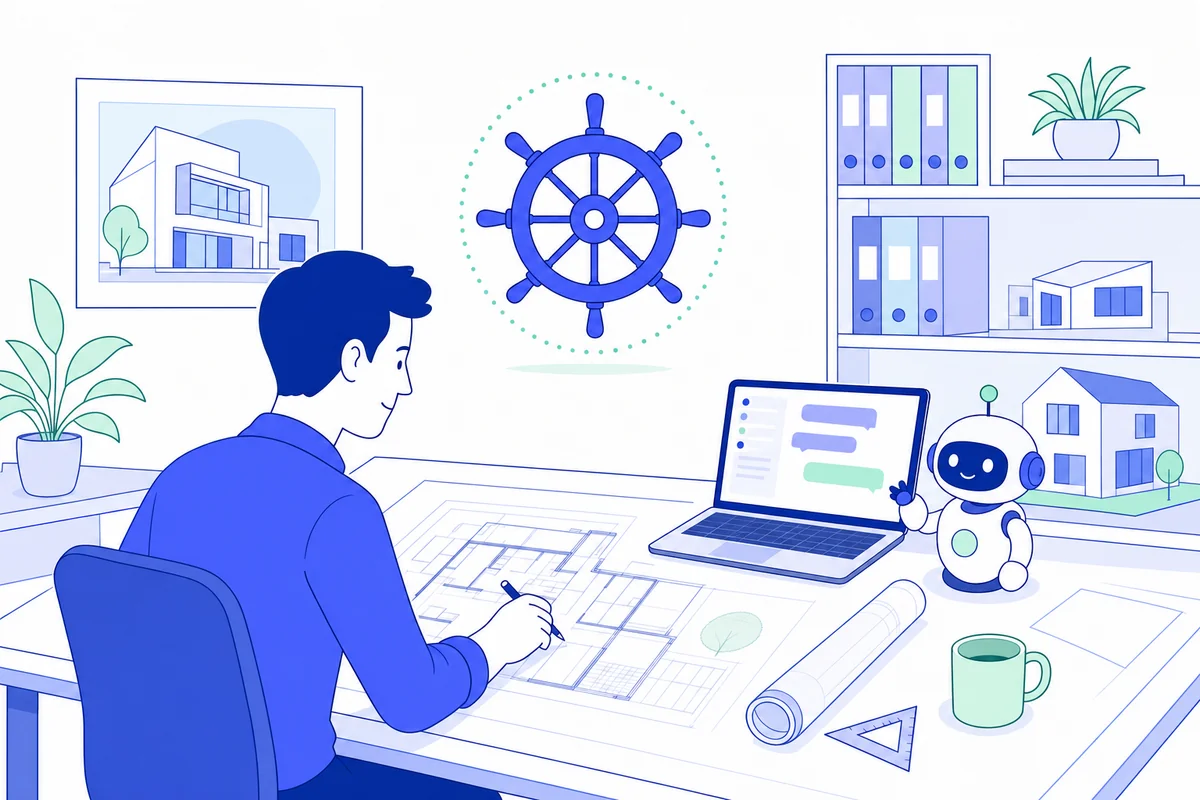
Thursday, 4.50pm, a six-person architecture practice in Galway. A client in her seventies needs a ground-floor bedroom extension, and the planning file includes her occupational therapist's report on why. To save twenty minutes, the architectural technologist pastes the report into ChatGPT on his phone and asks for a summary. It is a good summary. The next morning the client rings with one question: "Who has my medical report now?" The principal's honest first answer was "us". The full answer turned out to be longer.
The legal definition, in plain English
Article 4(7) GDPR defines the controller as "the natural or legal person, public authority, agency or other body which, alone or jointly with others, determines the purposes and means of the processing of personal data". Strip out the legal furniture and it is one test: who decides why this data is being used, and how?
The European Data Protection Board's Guidelines 07/2020 on controllers and processors add that roles follow what actually happens, not what a contract calls you, and that a supplier choosing servers or software does not make it a controller.
Who is the data controller in a business?
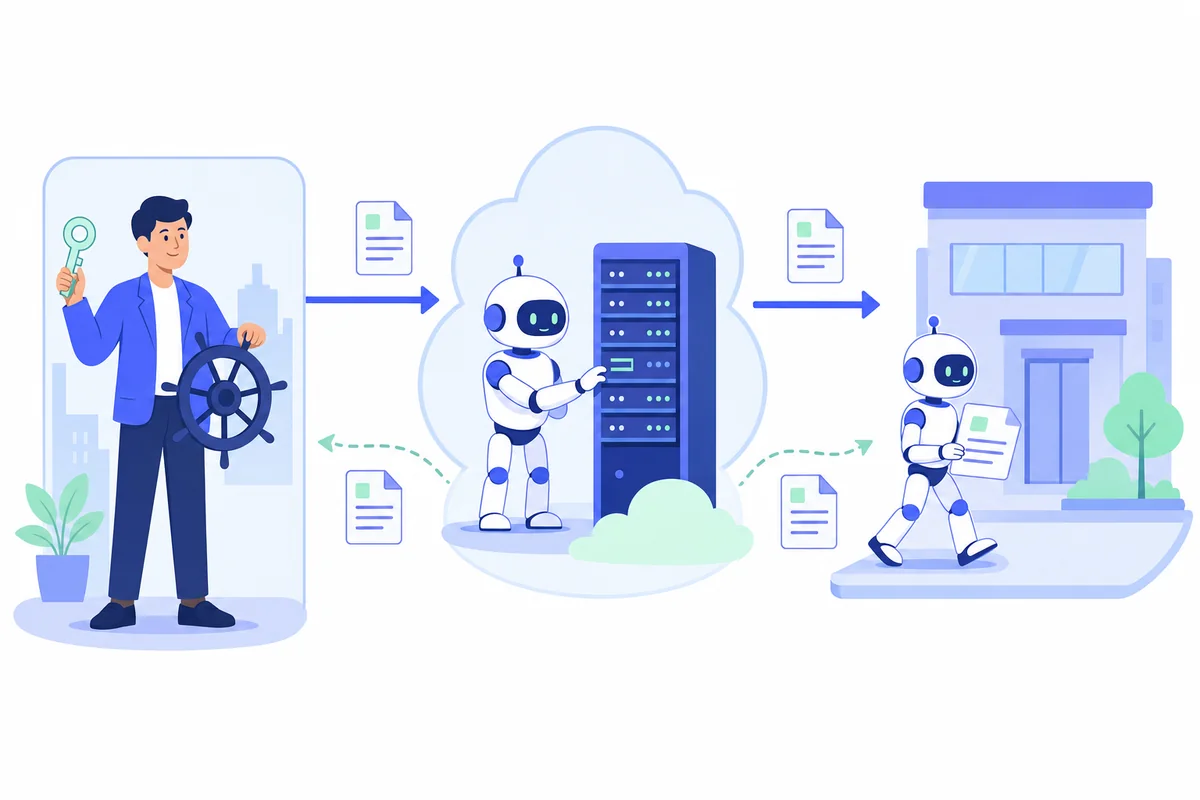
The organisation, not a person inside it. In the Galway practice, the controller is the practice: the limited company if it is incorporated, or the principal if she trades as a sole trader. The technologist is not a controller; he acts for one. Neither is a data protection officer, who advises the controller. The DPC's own FAQ puts it simply: the controller decides, the processor acts on the controller's behalf.
One Irish detail people still ask about: you do not register as a controller. The old registration system ended when the Data Protection Act 2018 commenced on 25 May 2018.
The primary role of a data controller: accountability
Accountability. Article 5(2) says the controller "shall be responsible for, and be able to demonstrate compliance with" the data protection principles, and Article 24 requires "appropriate technical and organisational measures" to back that up. In practice the role breaks down into a handful of jobs.
| Controller duty | GDPR article | What it means in a small practice |
|---|---|---|
| Have a lawful basis | Art 6 (and Art 9 for health data) | A reason you can name for holding each type of client data |
| Tell people what you do | Art 13-14 | A privacy notice that names who receives the data |
| Answer their rights | Art 15-22 | Access and erasure requests answered within one month |
| Choose processors carefully | Art 28 | A written contract with every supplier that handles the data for you |
| Keep records | Art 30 | A list of what you process; the under-250-staff exemption rarely covers regular client work |
| Secure it | Art 32 | Passwords, permissions, backups, encryption |
| Report breaches | Art 33 | Tell the DPC within 72 hours unless the breach is unlikely to put anyone at risk |
Most small firms do not need a data protection officer: Article 37 requires one only for public bodies and large-scale monitoring or special-category work. The duties above apply regardless.
Data controller, processor and joint controller
One business can hold several of these roles for different jobs.
| Role | Decides why and how? | Example around an architecture practice |
|---|---|---|
| Controller | Yes | The practice, for its client files and staff records |
| Processor | No, follows instructions | The cloud backup provider, the payroll bureau |
| Joint controllers | Yes, together | Two firms running a shared project portal they jointly designed |
| Independent controllers | Each for its own purposes | The practice and the engineer it sends drawings to, each using them for its own work |
Joint control comes with a written arrangement under Article 26, and the bar is lower than people expect. In Fashion ID (C-40/17, 2019), the EU Court of Justice held that a clothing retailer was a joint controller with Facebook simply for embedding a Like button on its website. I covered the processor side of the split in detail in What is a data processor under GDPR?; this post stays with the controller.